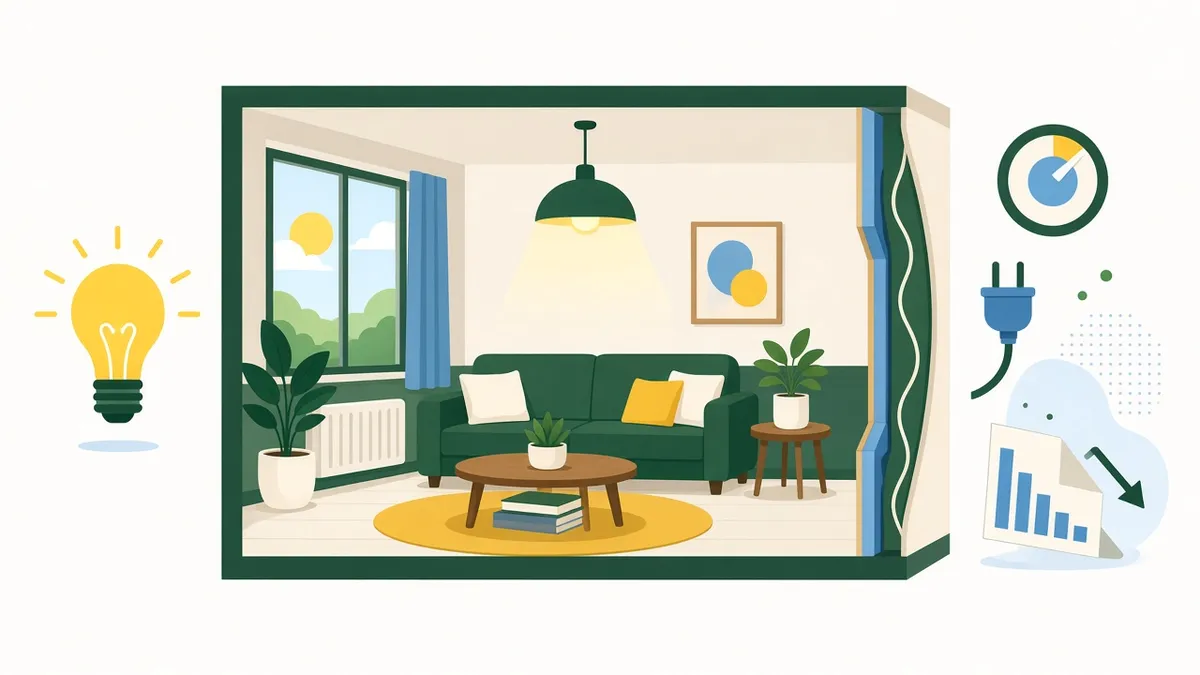
Lowering your energy consumption at your residence should also reduce pollution on a worldwide scale and save you cash. Methods to save energy are straightforward to implement and, when put into practice, are effective.
1. Turn down the Thermostat
An easy solution that will save you money and save energy is to turn down the heat. Lowering your heat in cold weather by just only two degrees can cut your energy fees by almost 10 percent. Acquire an automatic or programmable thermostat to make it simple to save on heating. Program it to turn down when you’re absent from home or you are asleep, and to turn back up half an hour before you are awake
2. Disconnect Gizmos
Electronic equipment and appliances consume power even when they are turned off. They’ve in fact been called energy suckers. Americans throw away billion a year powering things like TVs and DVD players while they’re turned off. Therefore, unplug your TV, stereo, computer, microwave, and other devices when you’re not using them. Make certain to unplug your cell-phone and MP3 chargers as soon as they are charged.
3. Arrange Computers to Sleep and {Hibernate
Enable the “sleep mode” feature on your PC, permitting it to consume less energy during periods of inactivity. In Windows, the power management settings are found on your control panel.
Set your computer to “hibernate” routinely after thirty minutes or so of inactivity. The “hibernate mode” turns the PC off in a method that does not demand you to boot everything when you turn it back on. Permitting your computer to hibernate saves power and is more time-efficient than shutting down and restarting your computer. When you’re done for the day, turn it off.
4. Wash Clothing Efficiently
Ninety percent of the energy used in the washing of clothes goes to heat up the water, consequently washing in cold is an easy method to slash energy use drastically. Wash only full loads. When drying, be certain to control the lint screen before each load and clean it afterward. And if you want to take efficiency a step further, suspend a few or all items and let them air-dry instead of running them through the dryer.
5.Have shorter showers and don’t have baths.
Hot water heating is one of the major uses of power in any home. Showers are the best way save on energy consumption. Baths consume much more water and heat than do baths unless you also decide to take very long showers.
6. Devour Less Meat
Meat production involves plenty more power and resources than raising vegetables or grains. In actual fact, 18 percent of human-caused greenhouse gases comes from the livestock industry. You need not have to be a pure vegetarian to make a difference in this area. Try skipping meat for one day a week. If every American had one meat-free day per week, it would cut emissions as much as taking eight million vehicles off the roads.
7. Do not drive to car often or leave it completely
Cars consume half of the world’s oil, and eject 25% of the world’s greenhouse-gas emissions. Leaving your car at home even one day a week will save a lot of gas and reduce emissions. Try walking, cycling, carpooling, or taking the bus or subway. Find out if you can telecommute to work 1 day per week. Before you drive, be sure your tires are correctly inflated — underinflated tires will reduce your gas mileage by 5 percent.
8. Cut your flights.
Nothing else you do causes so much climate change in such a short period of time
9. Try living green
Pick one small task you can perform around the house to cut energy consumption. Replace ordinary light bulbs with compact fluorescent light bulbs. CFLs use about one-fifth as much power as standard bulbs, and last about 12 times longer. Install a low-flow showerheadthat will save on water heating and expenditure. Lower the temperature of your water heater to one hundred twenty degrees, and insulate the tank.
10. Repair the drafts
In an ordinary house, up to twenty percent of heat is vanished through drafts. To experiment an area, just hold the palm of your hand up against a door or window. If you sense cold air coming through, warm air is leaving. This is effortless to repair and can save you plenty on your yearly heating bill. In addition, to reduce overall home energy consumption, you can also use highly reflective materials to lower surface temperatures of your roof by up to one hundred degrees. Cool roof systems perform best on smaller structures in sunnier environments.
Marco Grono is writes about How to live green.
Article from articlesbase.com